How to Reduce Fleet Accidents with AI Cameras: A Practical Guide
Fleet safety is paramount. AI cameras can drastically reduce accidents by monitoring road hazards and driver behavior. Learn how to implement AI-powered fleet cameras for maximum safety.
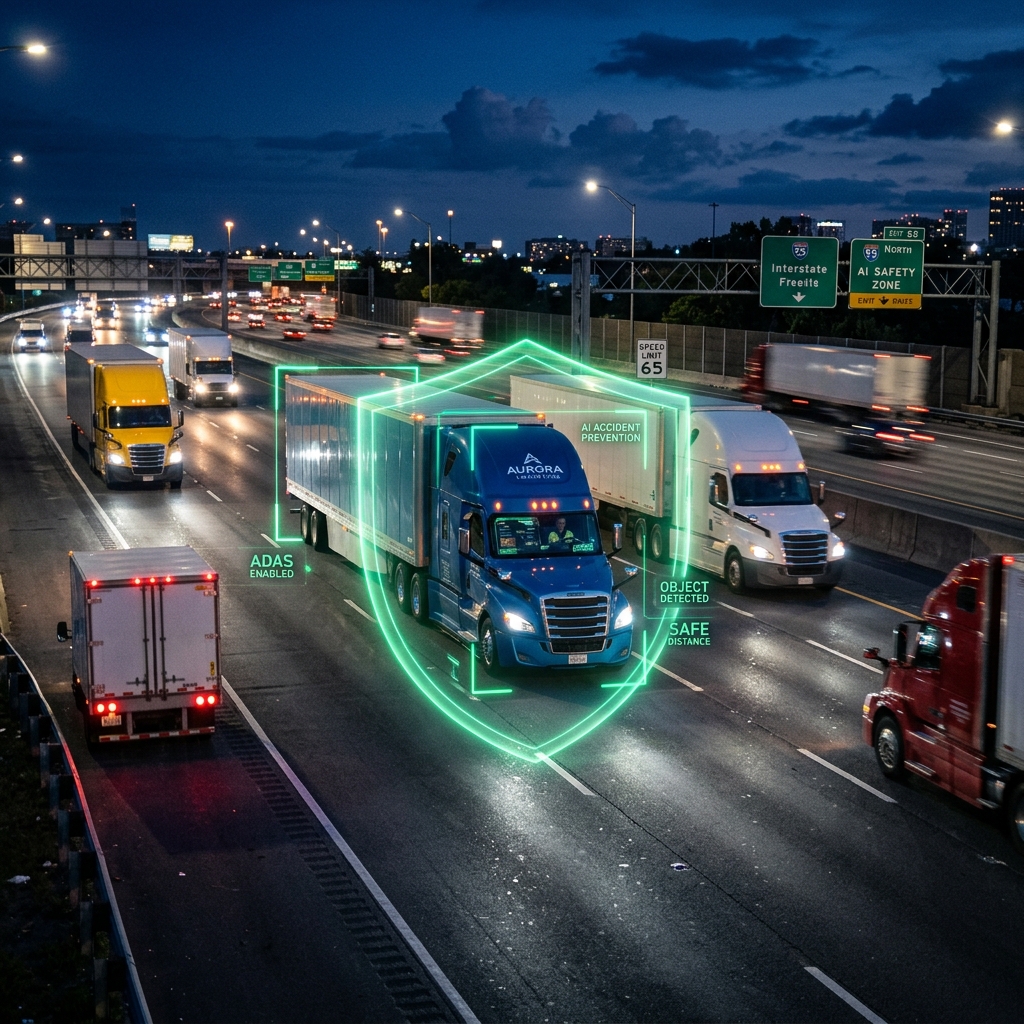
The Rising Cost of Fleet Accidents
In the commercial transportation industry, a single accident can be catastrophic. Beyond the immediate hardware repair costs, a major collision involves potential legal liabilities, rising insurance premiums, and, most importantly, the risk to human life. Traditional dashcams provided evidence after a crash, but today’s AI cameras have shifted the paradigm to Preventative Safety.
By leveraging edge computing and high-definition computer vision, AI cameras can help reduce fleet accidents by up to 30-40% within the first year of deployment. Here is exactly how this technology works and how to implement it effectively.
1. Real-time Intervention: The ADAS Advantage
Advanced Driver Assistance Systems (ADAS) are the “eyes on the road” for your drivers. When a driver is fatigued or simply has a momentary lapse in concentration, ADAS provides an immediate audible and visual alert.
1.1 Preventing Rear-End Collisions (FCW)
Forward Collision Warning (FCW) is perhaps the most critical feature. It calculates the time-to-collision with the vehicle ahead. If the gap narrows dangerously fast, the AI camera alerts the driver, providing the crucial half-second needed to apply the brakes.
1.2 Lane Management (LDW)
Lane Departure Warning (LDW) prevents one of the deadliest accident types: sideswiping or head-on collisions caused by drifting. This is particularly effective for long-haul drivers during night shifts.
2. In-Cabin Monitoring: Eliminating Human Error (DMS)
Statistics show that over 90% of commercial vehicle accidents are caused by human error, with distraction and fatigue being the top culprits. Driver Monitoring Systems (DMS) address this head-on.
2.1 Fatigue Warnings
AI cameras detect signs of micro-sleep, such as prolonged eye closure or frequent yawning. Some systems can even detect the “stare” associated with highway hypnosis. By alerting the driver (and/or a dispatcher), the system encourages the driver to take a necessary break before a tragedy occurs.
2.2 Curbing Distracted Driving
Whether it’s checking a smartphone, eating, or smoking, distracted driving is a leading cause of urban accidents. The DMS camera identifies these behaviors instantly. Knowing that “the camera is watching” acts as a powerful psychological deterrent, fostering a culture of focused driving.
3. Creating a Feedback Loop: Safety Coaching
Reducing accidents isn’t just about hardware; it’s about changing behavior. AI cameras record “events”—clips of hash braking, sharp turns, or AI-triggered warnings.
3.1 Driver Safety Scores
Individual driver scores can be generated based on the frequency of AI alerts. This allows fleet managers to gamify safety, offering bonuses to those with the highest scores and identifying “high-risk” drivers who need additional training.
3.2 Tailored Training Programs
Rather than generic safety meetings, managers can use actual event clips (on-road or in-cabin) to show drivers exactly where their risks are. Real-world footage is a far more effective teaching tool than a manual.
4. Operational Best Practices: Data-Driven Safety
To get the most out of your AI cameras, your fleet management should follow these best practices:
- Prompt Event Review: Managers should review AI-triggered “critical events” within 24 hours to provide timely feedback to drivers.
- Privacy Transparency: Clearly explain to drivers that the cabin camera is a safety tool, not a “spy” tool. Focus on how it protects them from false claims (exoneration).
- Integration with G-Sensor Data: Combine AI visual data with telematics G-sensor data to get a 360-degree view of every incident.
Conclusion: Investing in Zero-Accident Goals
The ultimate goal for any fleet is “Vision Zero”—zero accidents on the road. While technology alone cannot replace a professional driver, AI cameras like the FleetGoo D503 provide a digital safety net that bridges the gap between human capability and the unpredictable nature of the road.
By investing in AI-driven accident reduction, you are not only saving money on insurance and repairs; you are fulfilling your duty of care to your employees and the public.
Ready to build a safer fleet? Explore our AI Dashcam selection or talk to a safety expert.