Cold Chain Monitoring: GPS + High-Accuracy Temperature Tracking for Modern Fleets
The success of cold chain logistics depends on precise environmental control. Learn how Integrated GPS and temperature tracking ensure cargo integrity and regulatory compliance.
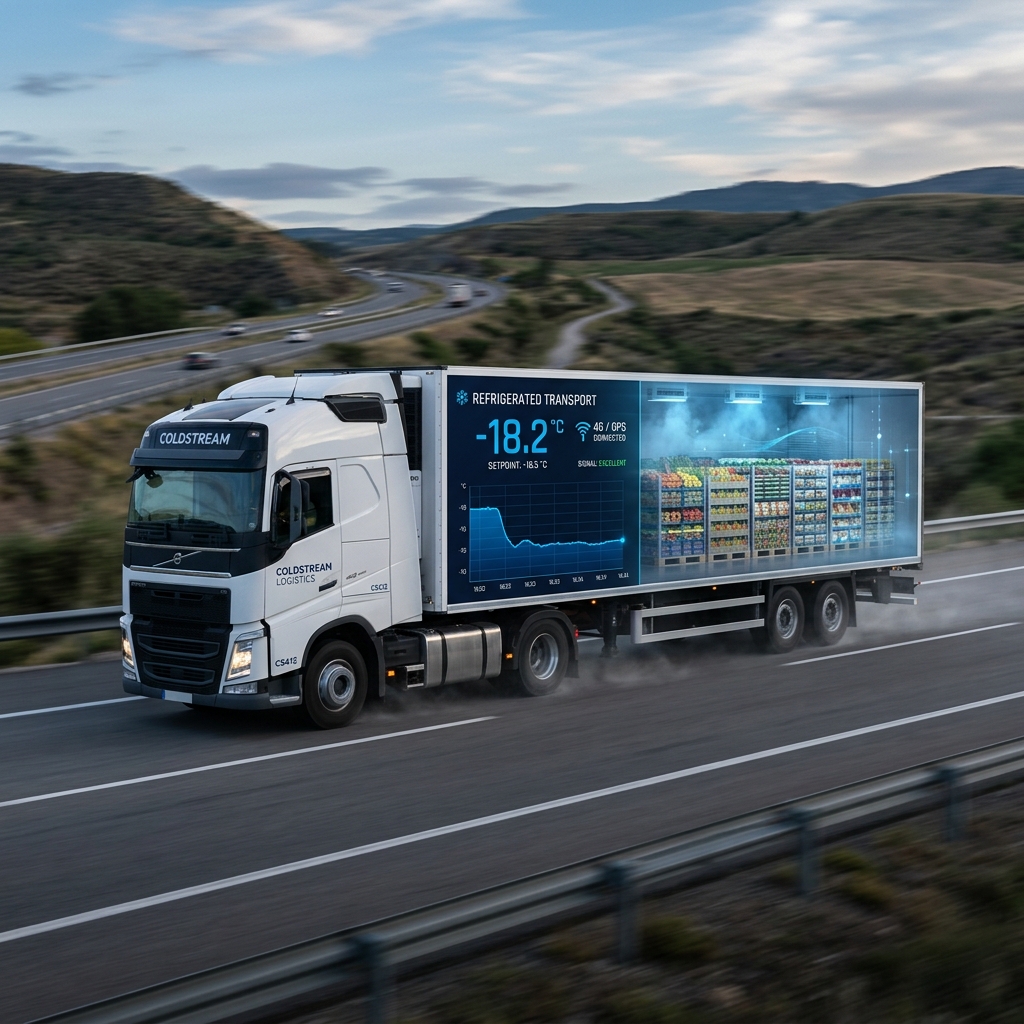
The Fragility of the Cold Chain
Whether you are transporting frozen seafood, fresh produce, or climate-sensitive pharmaceuticals, the “Cold Chain” is a high-stakes logistics environment. A single degree Celsius deviation for an extended period can lead to total cargo loss, rejected shipments, and significant financial damage.
In 2026, Integrated Cold Chain Monitoring has moved from a “luxury” to a “mandatory” requirement for B2B logistics contracts. It combines traditional GPS tracking with high-precision IoT sensors to provide real-time visibility into the cargo’s environment.
1. Why Real-Time Monitoring is Critical
Traditional “Data Loggers”—devices that record temperature locally for download at the destination—are reactive. You only discover the cargo is spoiled after it’s too late.
1.1 Proactive vs. Reactive
Real-time monitoring using 4G-connected GPS trackers (like the FleetGoo C08L series) with temperature sensors allows for immediate intervention. If the refrigeration unit (reefer) fails or a door is left open, the system sends an instant alert to the dispatcher.
1.2 Regulatory Compliance
For pharmaceutical transport (GDP - Good Distribution Practice) and food safety (HACCP), having a continuous, timestamped record of the cargo’s temperature is a legal requirement. Digital reports from a professional monitoring platform are the easiest way to prove compliance.
2. Hardware: Sensors & Trackers
A robust cold chain solution depends on the quality of the sensor integration.
2.1 Wired vs. BLE (Wireless) Sensors
- Wired Sensors: Ideal for fixed-installation reefers where permanent wiring is possible. They offer high reliability and don’t require battery management.
- BLE (Bluetooth Low Energy) Sensors: Perfect for quick deployments or monitoring multiple points within a large trailer. They are wireless, battery-powered, and can be placed directly inside the cargo pallets.
2.2 Door Status Sensors
Temperature spikes are often caused by unauthorized or prolonged door openings. Integrating a magnetic door sensor with your tracking system allows you to correlate temperature changes with door events.
3. The Power of Integrated Platforms
The real value of cold chain monitoring is found in the software that processes the sensor data.
- Custom Thresholds: Set different “High” and “Low” temperature alerts for different cargo types (e.g., -20°C for frozen food, +5°C for pharmaceuticals).
- Automated Reporting: Generate PDF/Excel reports for every trip, showing the minimum, maximum, and average temperatures, as well as any deviation events.
- Multi-User Alerts: Send SMS or WhatsApp alerts not only to the dispatcher but also to the driver and the terminal manager simultaneously.
4. Key ROI Benefits for Cold Chain Fleets
Investing in high-accuracy temperature tracking provides immediate financial returns:
- Zero Spoilage: Minimize the risk of rejected shipments due to temperature excursions.
- Lower Insurance Premiums: Insurers often offer better rates to fleets that can prove they have real-time environmental monitoring in place.
- Customer Trust: Provide your clients with a “Public Tracking Link” that includes a live temperature graph, giving them total peace of mind.
- Operational Efficiency: Identify reefer units that are underperforming or overdue for maintenance before they fail in the field.
5. Implementation Roadmap
To successfully implement a cold chain monitoring solution:
- Assess Your Cargo Types: Determine the temperature sensitivity and the number of zones you need to monitor.
- Choose Your Sensor Type: Select between Wired or BLE based on your fleet’s flexibility needs.
- Define Alert Protocols: Establish clear steps for what a dispatcher should do when a temperature alert is received.
- Train Your Drivers: Ensure they understand the importance of immediate response to local reefer alarms.
Conclusion: Ensuring Cargo Integrity from A to B
In 2026, the cold chain is more complex and more regulated than ever. FleetGoo’s integrated GPS and temperature tracking solutions give you the tools you need to compete at the highest level of logistics.
By prioritizing cargo integrity through real-time visibility, you are not just fulfilling a contract—you are building a reputation for reliability and quality.
Transporting temperature-sensitive cargo? Explore our BLE and Wired sensor hardware or request a cold chain solution demo.